2026-09-18 · Mike Reynolds
What Causes Sump Pump Failure After Heavy Miami Valley Rains
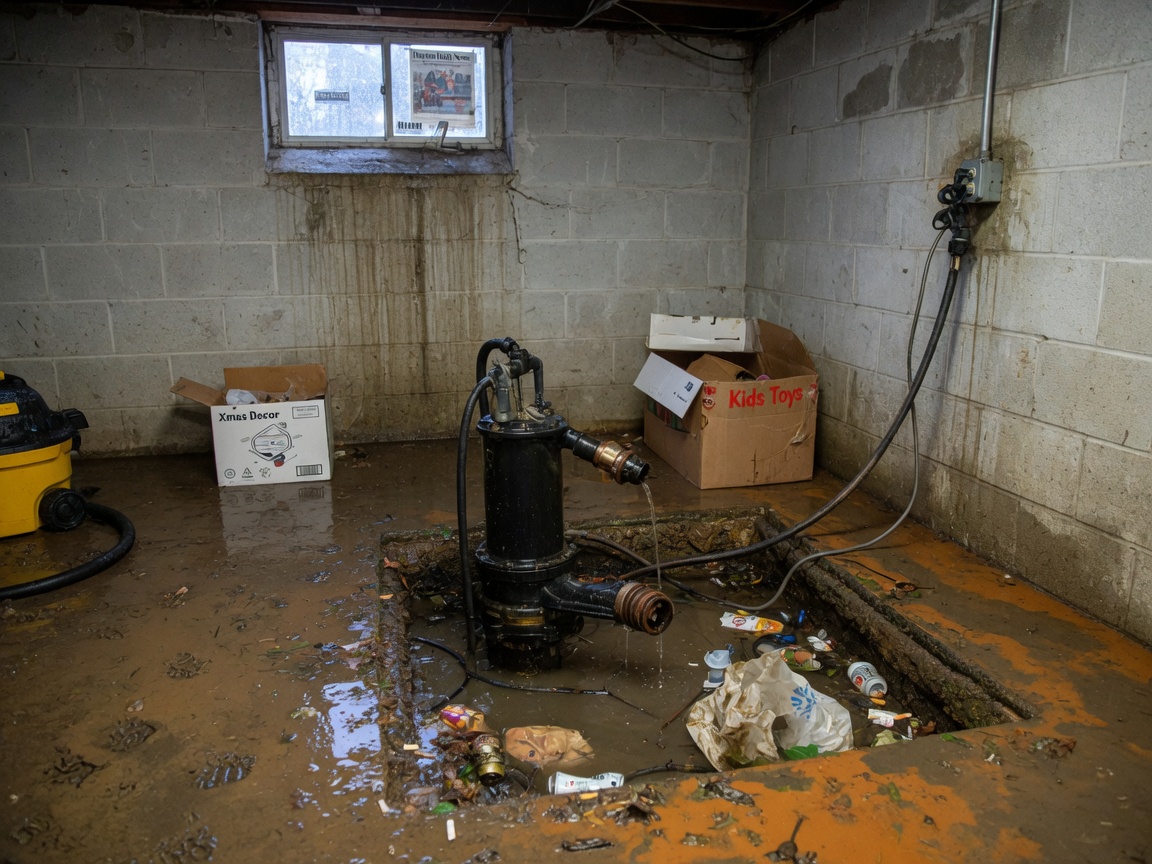
Heavy Miami Valley rains cause sump pump failure most often when discharge lines clog with sediment or when pumps cannot match the sudden volume from saturated soils across Montgomery County. In neighborhoods such as the Oregon District and South Park, older housing stock with smaller original systems struggles during intense downpours that drop several inches in a few hours. These conditions overwhelm standard units within the first 30 to 90 minutes of peak flow.
Saturated Soils and High Water Table Pressures
Montgomery County sits in the Miami Valley where a humid continental climate brings cold winters and hot summers that alternate with spring and summer storms. After prolonged rain, the water table rises quickly in flat or low-lying blocks near the Oregon District and University Row. This forces sump pits to fill faster than many 1/3-horsepower pumps can empty them. Soil around foundations in South Park often holds moisture longer because of clay content, extending run times and heating motors. In Kettering and Beavercreek, similar terrain produces the same pattern during back-to-back storms spaced only days apart.
Debris and Clogs in Discharge Lines
Sediment, leaves, and gravel wash into sump pits during heavy rains and travel into discharge pipes. Lines that run underground without proper cleanouts collect buildup that restricts flow within two or three seasons. When water backs up inside the pit, the pump runs continuously until the impeller or switch fails. Sump Pump Discharge and Drainage Repair addresses these blockages by clearing lines before the next storm cycle hits.
Electrical Failures and Power Outages
Storms that drop heavy rain frequently knock out power across Dayton grids. Without a backup source, even a properly sized pump stops the moment electricity drops. Cold winter rains combined with wind can freeze exposed outlets or trip breakers in older Downtown Dayton homes. A Battery Backup Sump Pump System keeps water moving during outages that last four to eight hours, a common duration after Miami Valley thunderstorms.
Aging Equipment in Older Dayton Homes
Many homes in the Oregon District and South Park date to the early 1900s and still use original or first-replacement sump pumps. These units typically reach the end of reliable service after 8–12 years of seasonal cycling. Worn float switches and corroded impellers cannot respond fast enough when rain arrives in sudden bursts. Checking the pump each spring before heavy weather returns prevents failures that appear only during peak demand.
Inadequate Pump Capacity for Storm Surges
Standard residential pumps handle 2,000–3,000 gallons per hour, yet a single intense Miami Valley event can push more than that through one pit in under an hour. Homes on slight slopes near Carillon Historical Park or the Dayton Art Institute see faster inflow from uphill runoff. Undersized units cycle too often, shortening motor life and leading to burnout. Matching pump capacity to actual lot drainage prevents the short cycling that appears after repeated heavy rains.
Reviewing discharge routing and adding battery backup before the next storm season reduces failure risk in Montgomery County homes. Checking the system after each major rain event catches small clogs before they stop the pump entirely. How to Prepare Your Sump Pump for Dayton Winter Freezes covers additional steps that protect equipment year-round.